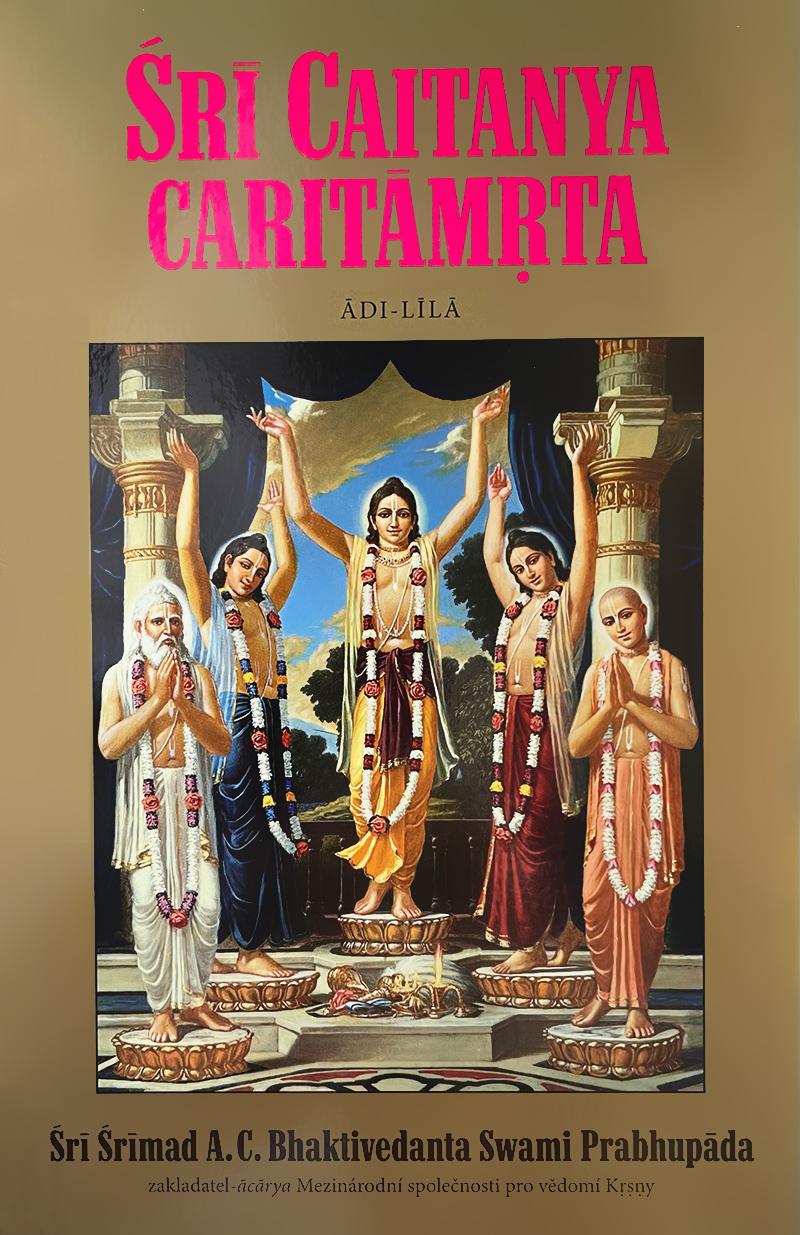
Śrī Caitanya-caritāmṛta - Ādi-līlā - PrefaceOn the basis of the sāṅkhya philosophy of acintya-bhedābheda-tattva, which maintains that the Supreme Lord is simultaneously one with and different from His creation, Lord Caitanya taught that the mos…
Śrī Caitanya-caritāmṛta - Ādi-līlā - PrefaceYoga practice is essentially meant for controlling the senses. The central controlling factor of all the senses is the mind; therefore one first has to practice controlling the mind by engaging it in …
Śrī Caitanya-caritāmṛta - Ādi-līlā - PrefaceThe eight principles of sāṅkhya-yoga — observing the regulative principles, following the rules, practicing the various sitting postures, performing the breathing exercises, withdrawing one’s senses f…
Śrī Caitanya-caritāmṛta - Ādi-līlā - PrefaceBefore accepting sannyāsa (the renounced order), Lord Caitanya was known as Viśvambhara. The word viśvambhara refers to one who maintains the entire universe and who leads all living entities. This ma…
Śrī Caitanya-caritāmṛta - Ādi-līlā - PrefaceEveryone has to suffer or enjoy the fruits of his activity; no one can check the laws of material nature that govern such things. As long as one is engaged in fruitive activity, one is sure to be baff…
Śrī Caitanya-caritāmṛta - Ādi-līlā - ForewordŚrī Caitanya-caritāmṛta, by Śrīla Kṛṣṇadāsa Kavirāja Gosvāmī, is the principal work on the life and teachings of Śrī Kṛṣṇa Caitanya Mahāprabhu. Caitanya Mahāprabhu is the pioneer of a great social and…
Śrī Caitanya-caritāmṛta - Ādi-līlā - ForewordThe chief historical sources for the life of Śrī Kṛṣṇa Caitanya are the kaḍacās (diaries) kept by Murāri Gupta and Svarūpa Dāmodara Gosvāmī. Murāri Gupta, a physician and close associate of Śrī Kṛṣṇa …
Śrī Caitanya-caritāmṛta - Ādi-līlā - ForewordŚrī Caitanya-caritāmṛta is divided into three sections, called līlās, a word that literally means “pastimes” — the Ādi-līlā (recounting the early period of Lord Caitanya’s pastimes), the Madhya-līlā (…
Śrī Caitanya-caritāmṛta - Ādi-līlā - ForewordThe first twelve chapters of the Ādi-līlā constitute the preface for the entire work. By referring to Vedic scriptural evidence, Kṛṣṇadāsa Kavirāja establishes that Caitanya Mahāprabhu is the avatāra …