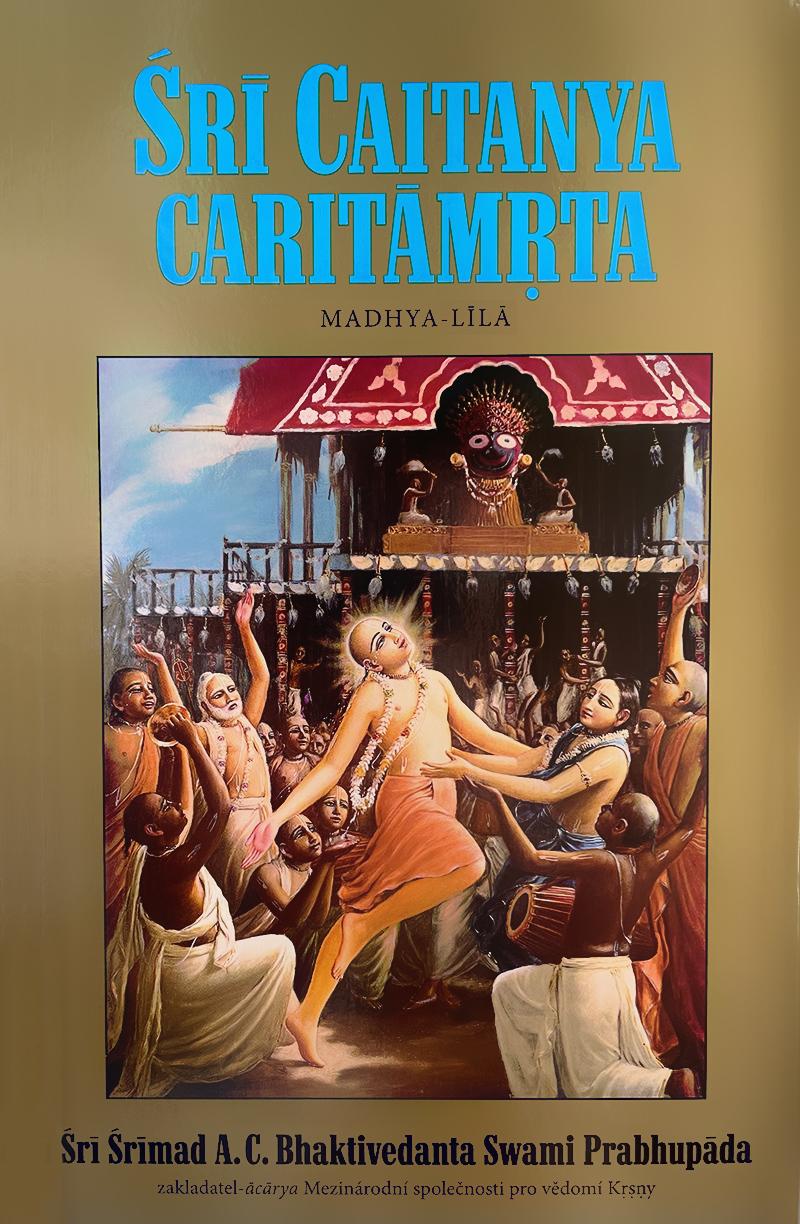
Śrī Caitanya-caritāmṛta - Madhya-līlā - 6. The Liberation of Sārvabhauma BhaṭṭācāryaThe durgā-śakti (material energy) acts under the direction of the Supreme Personality of Godhead, and the universal creation, maintenance and destruction are being carried out by the durgā-śakti. Kṛṣṇ…
Śrī Caitanya-caritāmṛta - Madhya-līlā - 6. The Liberation of Sārvabhauma BhaṭṭācāryaThe first verse of the Brahma-sūtra is athāto brahma-jijñāsā: “We must now inquire into the Absolute Truth.” The second verse immediately answers, janmādy asya yataḥ: “The Absolute Truth is the origin…
Śrī Caitanya-caritāmṛta - Madhya-līlā - 6. The Liberation of Sārvabhauma BhaṭṭācāryaThe material world is the inferior energy of the Supreme Personality of Godhead, but it is not a fact that the Supreme Lord has been transformed into this material world. The Māyāvādī philosophers, de…
Śrī Caitanya-caritāmṛta - Madhya-līlā - 6. The Liberation of Sārvabhauma BhaṭṭācāryaOṁkāra is the representation of the Supreme Personality of Godhead in sound. This form of His holy name is accepted as the transcendental vibration (mahā-vākya) by virtue of which the temporary materi…
Śrī Caitanya-caritāmṛta - Madhya-līlā - 6. The Liberation of Sārvabhauma BhaṭṭācāryaTat tvam asi is accepted as the primary vibration by one who does not accept praṇava, the transcendental sound incarnation of the holy name of the Lord, as the chief principle in the Vedic literature.…
Śrī Caitanya-caritāmṛta - Madhya-līlā - 6. The Liberation of Sārvabhauma BhaṭṭācāryaThe word vitaṇḍā indicates that a debater, not touching the main point or establishing his own point, simply tries to refute the other person’s argument. When one does not touch the direct meaning but…
Śrī Caitanya-caritāmṛta - Madhya-līlā - 6. The Liberation of Sārvabhauma BhaṭṭācāryaIn the Bhagavad-gītā (15.15) Lord Kṛṣṇa confirms this statement: vedaiś ca sarvair aham eva vedyaḥ. The actual purpose in reading the Vedas is to learn how to become a devotee of the Supreme Lord. The…
Śrī Caitanya-caritāmṛta - Madhya-līlā - 6. The Liberation of Sārvabhauma BhaṭṭācāryaWhen a conditioned soul is purified, he is called a devotee. A devotee has his relationship only with the Supreme Personality of Godhead, and his only occupational duty is to execute devotional servic…
Śrī Caitanya-caritāmṛta - Madhya-līlā - 6. The Liberation of Sārvabhauma BhaṭṭācāryaThis is a quotation from the Padma Purāṇa, Uttara-khaṇḍa (62.31).
Śrī Caitanya-caritāmṛta - Madhya-līlā - 6. The Liberation of Sārvabhauma BhaṭṭācāryaThe word brāhmaṇa-mūrtinā in this verse-refers to the founder of Māyāvāda philosophy, Śaṅkarācārya, who was born in the Mālabara district of southern India. Māyāvāda philosophy states that the Supreme…